In this article
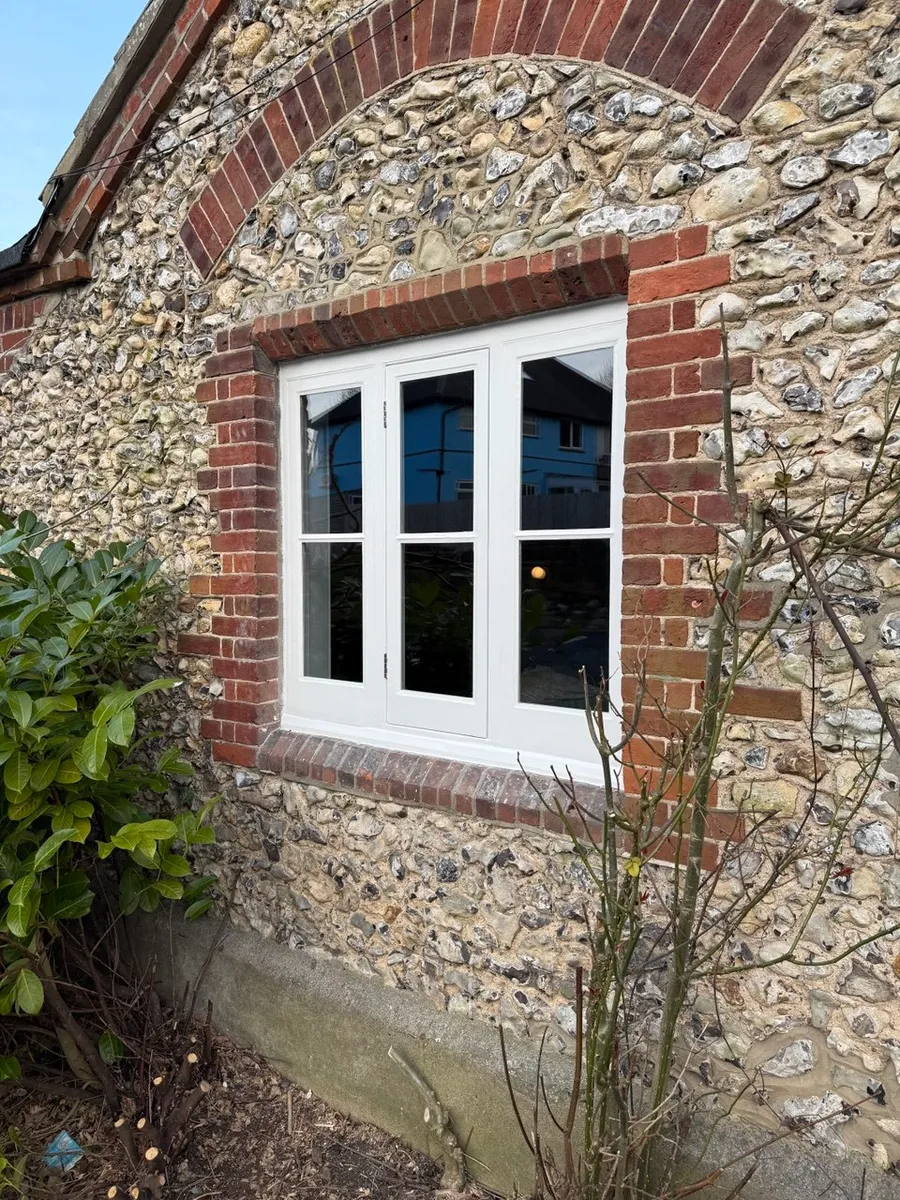
Most of the sash windows we work on sit in one of two kinds of protected setting: a conservation area, or a listed building. Together they cover a large share of the period housing in the East Midlands — the whole of Stamford's town centre, Nottingham's Park Estate, Edgbaston's Calthorpe Estate, Leicester's Stoneygate and New Walk, the Georgian cores of Louth, Newark, Southwell, Retford, Market Harborough and Ashby-de-la-Zouch, and dozens of village centres besides.
The rules about what you may do to the windows in those settings are not complicated, but they are widely misunderstood — by homeowners, by some window companies and occasionally by people who should know better. The two most common misunderstandings pull in opposite directions: that you need permission to repair a window in a conservation area (you do not), and that you can do what you like to a listed building as long as it looks the same (you cannot). This article sets out what actually applies, and what it means in practice for repair, replacement, double glazing and draught-proofing.
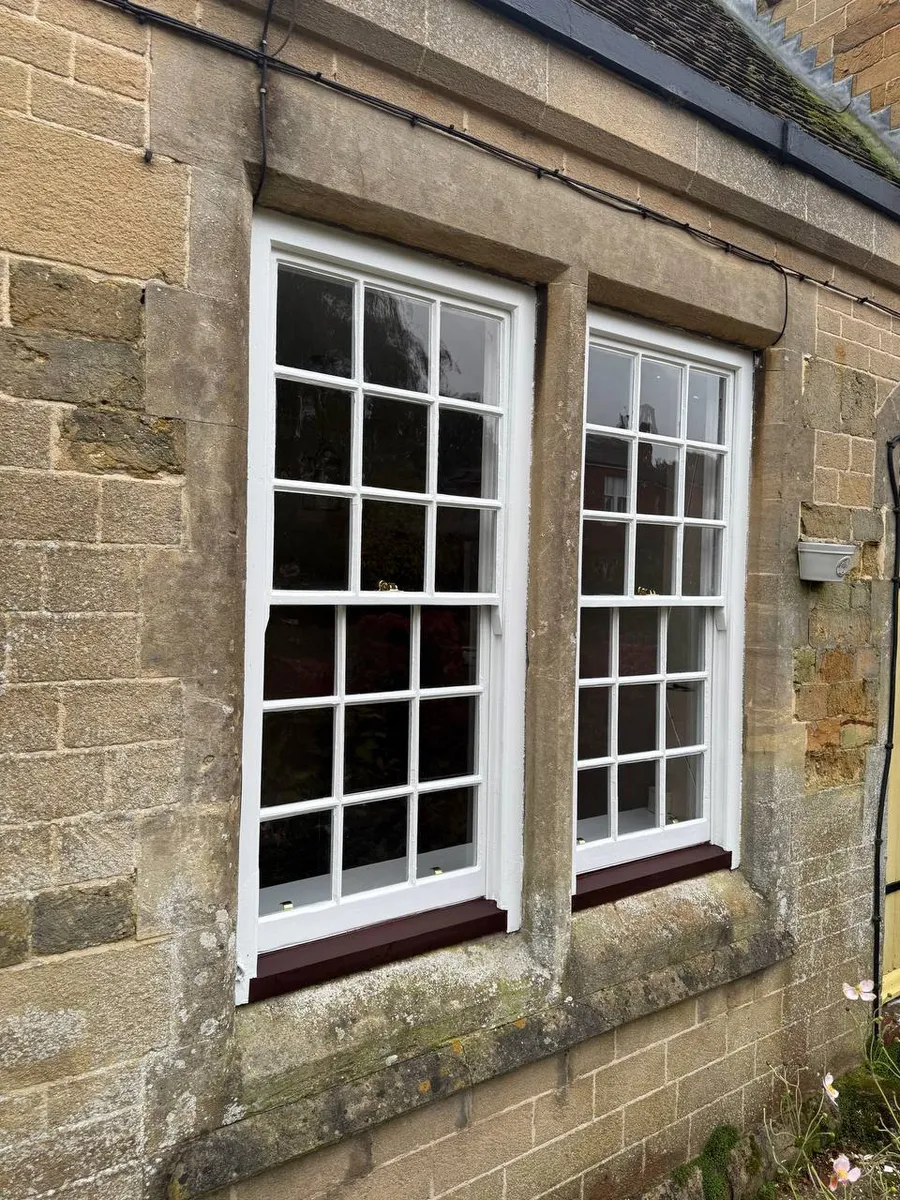
Two different regimes
It helps to be clear that conservation areas and listed buildings are governed by different law and work in different ways.
A conservation area is an area — a street, an estate, a town centre — that the council has designated for its special architectural or historic character. The designation is about the place, not the individual buildings. It changes what you may do without planning permission, mainly by tightening the rules on demolition and on works that would affect the character of the area, and it gives the council the option of tightening them further with an Article 4 Direction.
A listed building is an individual building on the national list, graded I, II* or II. Listing protects the whole building, inside and out, and any work that would affect its character as a building of special interest needs listed building consent — a separate consent from planning permission, with no fees and, importantly, no lower limit on what counts as "work". Carrying out unauthorised work on a listed building is a criminal offence, and the duty to put it right passes to whoever owns the house later.
A building can be both listed and in a conservation area, in which case the listing rules dominate.
Conservation areas: what needs permission and what does not
Repair
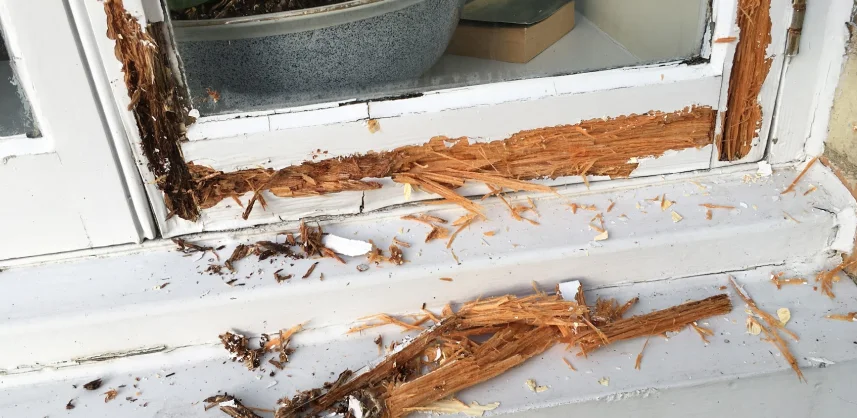
Repairing a window is not development. Re-cording, splicing new timber into a rotten sill, replacing a bottom rail, reglazing, renewing putty, fitting draught-proofing, repainting in the same colour — none of it engages planning at all, in a conservation area or anywhere else. There is no form to fill in and nobody to ask. This is the single most important point in this article, because the fear of "getting into trouble with the conservation people" stops a great many owners from doing the maintenance their windows need.
Replacement on a house
For a house — a single dwelling, not a flat — replacing windows is normally covered by permitted development rights, which means it does not need a planning application provided the new windows are of a similar appearance to the old. That right applies in a conservation area too. So in principle a homeowner in a conservation area can replace timber sashes with new timber sashes of similar appearance without asking.
The catch is "similar appearance". Replacing slim timber sashes with chunky uPVC, or a six-over-six Georgian sash with a single-pane top-hung casement, is not similar in appearance, and the council can take enforcement action. And the bigger catch is the Article 4 Direction.
Article 4 Directions
An Article 4 Direction is a council order that removes specified permitted development rights in a specified area — almost always a conservation area, and very often specifically for windows and doors on the front of houses. Where one applies, replacing a window needs a planning application, and the council will judge it against its conservation-area appraisal, which usually says that original timber windows should be retained and that replacements should match the originals in material, opening method and glazing pattern.
Whether an Article 4 Direction applies to your street is a matter of fact, and the only reliable way to find out is to ask the council or read its conservation-area appraisal and management plan, which every designated area is supposed to have. Many of the historic estates and town centres in the East Midlands have one; many ordinary residential conservation areas do not. Do not assume either way.
Flats, converted houses and commercial premises
Permitted development rights for windows apply to houses. A flat, a house converted into flats, a shop with rooms above or a pub has no such rights, so replacing its windows in a conservation area needs a planning application regardless of any Article 4 Direction. A surprising number of the Victorian villas on Leicester's London Road and Nottingham's Mapperley Park have been converted to flats, and their owners are often unaware that this changes the position.
Painting
Repainting in the same colour needs nothing. Changing the colour of the windows on a house is not normally a planning matter either, although some Article 4 Directions cover it, and an estate with its own covenants — the Calthorpe Estate in Edgbaston and the Park Estate in Nottingham both have them — may have a say.
Listed buildings: the different logic
On a listed building the question is never "is this development?" but "does this affect the character of the building?" — and the windows are almost always part of that character. The practical consequences:
- Like-for-like repair does not need consent. Splicing new timber into a decayed sill, replacing cords with cords of the same material, reglazing a cracked pane, renewing putty and repainting are repairs, not alterations. Historic England's guidance on traditional windows says as much, and it is the approach every conservation officer wants to see. The one caution is scale: if a "repair" replaces most of a window — a new box, new sashes, new sill — it has become a replacement and should be discussed first.
- Replacement needs consent. New sashes in an old box, a new window in the original pattern, a new window in a different pattern — all need listed building consent. Consent for a like-for-like timber replacement of a window that is genuinely beyond repair is usually granted, provided the application shows why repair is not possible and specifies the new joinery to match the old in section, glazing-bar profile and horn detail.
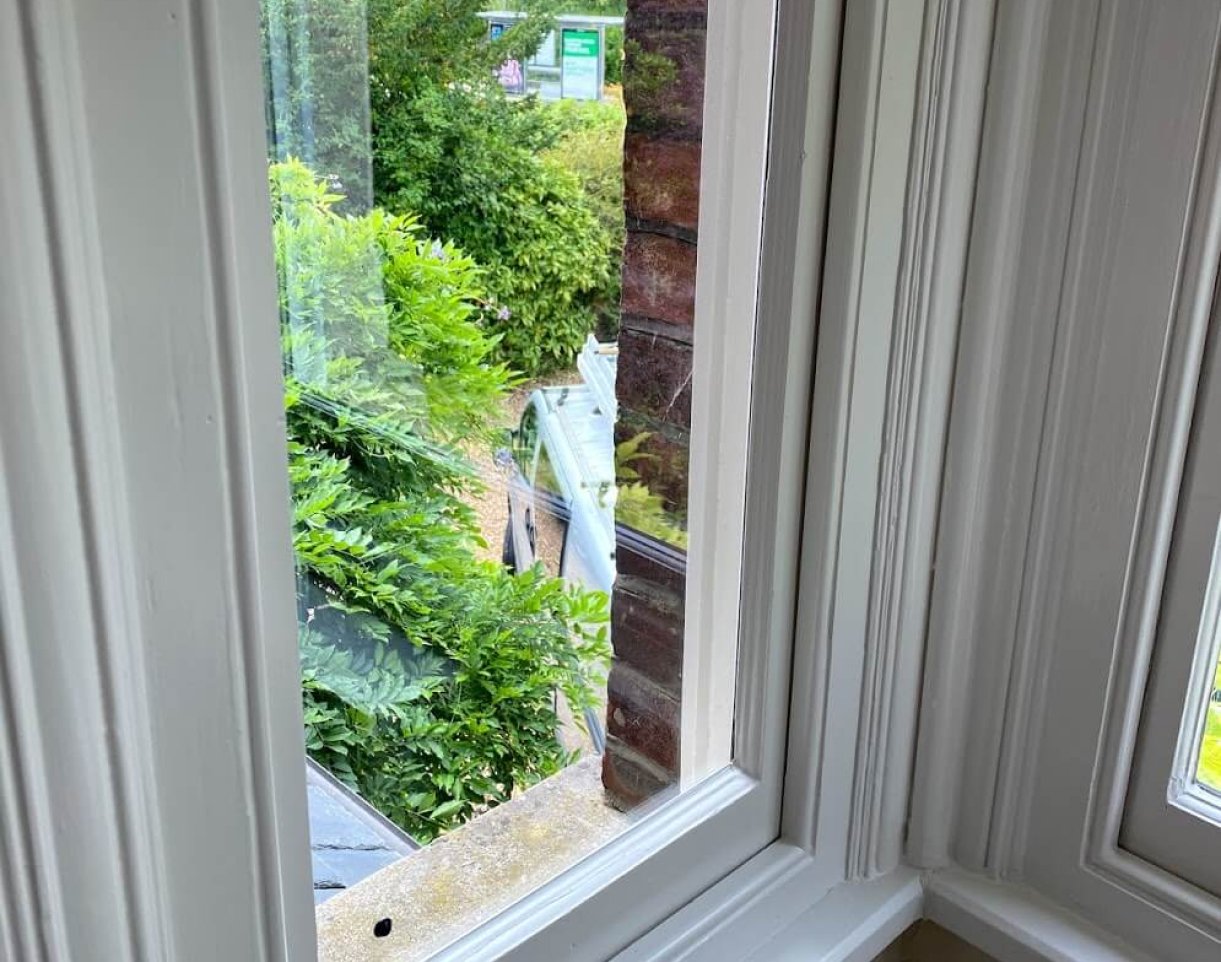
- Double glazing needs consent and is the area of most disagreement. Some councils will accept slim double-glazed units in new sashes on a Grade II house where the original glass has already gone; others will not, or will accept them only on rear elevations. Secondary glazing, fitted on the room side and fully reversible, is far more readily accepted and often needs no consent at all.
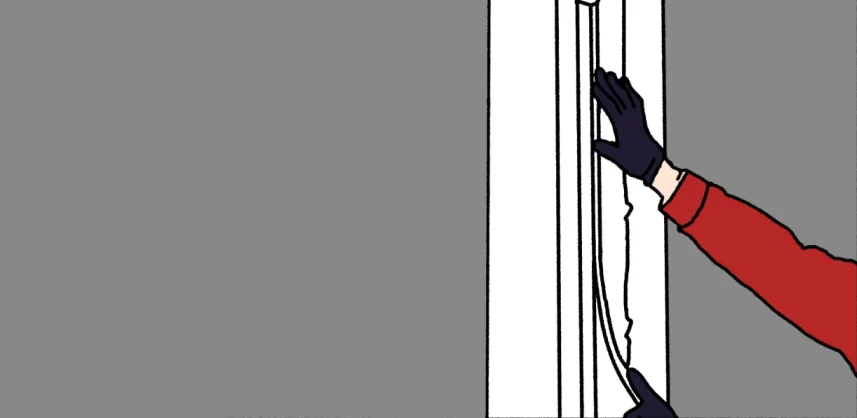
- Draught-proofing sits in a grey area. Historic England's position is that self-adhesive strips need no consent but that grooving the timber to take a seal may. Since grooved brush-pile seals are the proper method, the sensible course is a quick email to the conservation officer. The test that several councils now publish — that no consent is needed provided the work is not visible from outside and does not harmfully weaken the window — is met by seals routed into new beads, and most officers say so without fuss.
- Interior matters too. Shutters, boxing, architraves and window seats are part of the listing. Removing them, or cutting them about to fit new windows, needs consent as much as the exterior work does.
The local picture
Every council keeps its own list of conservation areas and its own appraisals, and the detail varies. What follows is the general shape in each of the areas we cover; the council's own pages are the place to confirm anything before you act.
Leicester and Leicestershire
Leicester City Council has designated more than two dozen conservation areas, including Stoneygate, New Walk, South Highfields, Castle, Market Street and the old village centres of Knighton, Evington, Aylestone and Belgrave. The market towns add their own: Market Harborough's town centre, Ashby-de-la-Zouch, Lutterworth, Melton Mowbray and Loughborough all have town-centre designations, and most of the county's older villages are covered. Listed buildings are concentrated in the market towns and villages; Leicester's Victorian suburbs have relatively few, so for most Leicester owners the conservation-area rules are the ones that matter.
Nottingham and Nottinghamshire
The Park Estate is the best-known case: a Victorian private estate that is both a conservation area and subject to the estate's own covenants, so window changes there answer to two authorities. The Lace Market, the Arboretum, Mapperley Park and several other Nottingham areas are designated. In the county, Southwell, Newark's town centre and Retford's Georgian core have conservation areas with a high density of listed buildings, and the Georgian townhouses around Newark's Market Place are very largely listed.
Birmingham and Solihull
Birmingham has around thirty conservation areas, including the Calthorpe Estate in Edgbaston, Moseley, the Jewellery Quarter, parts of Harborne, Bournville and the Four Oaks Estate in Sutton Coldfield. Several of the residential areas have Article 4 Directions covering front-elevation windows, so check before replacing anything. Solihull's conservation areas include Knowle, Dorridge and the town centre.
Lincolnshire
Stamford was the first conservation area designated in England, in 1967, and remains one of the most tightly managed: the whole town centre is covered, more than 600 buildings are listed, and the conservation officer's expectation on windows is repair, and timber like for like where repair is impossible. Lincoln's uphill area around the Cathedral and Castle, Louth, Grantham, Boston, Spalding and Sleaford all have town-centre conservation areas with many listed buildings.
The Building Regulations, briefly
Planning and listing are one set of rules; the Building Regulations are another, and they too bear on windows.
Repairing a window, and draught-proofing it, is not building work under the regulations. Nothing is triggered, nothing is certified.
Replacing a window is a "controlled fitting" and must meet the energy standard in Part L — currently a whole-window U-value of 1.4 W/m²K or a Window Energy Rating of band B — and be certified through a competent-person scheme or the council's building control. There is an important exception for buildings where meeting that standard would unacceptably alter their character or appearance, which covers listed buildings and buildings in conservation areas: there, the requirement is relaxed to the best that can reasonably be achieved, and single glazing with secondary glazing, or a centre-pane U-value of 1.2 in slim units, is explicitly acceptable. Trickle vents are required on replacement windows, not on repaired ones.
What this means when you plan the work
Put the rules together and a sensible sequence emerges for almost any period house in a protected setting.
- Repair first. Repair needs no consent anywhere, keeps the original fabric, and is what both regimes are designed to encourage. Most windows that are described as "beyond repair" are not.
- Draught-proof as part of the repair. No consent in a conservation area; a quick confirmation from the officer on a listed building.
- If double glazing matters, consider secondary glazing first. It is reversible, rarely needs consent, and often performs as well as replacing the glass.
- If sashes are genuinely beyond saving, replace the sashes, not the window. New sashes made to the original pattern in the original box is a like-for-like replacement, acceptable in a conservation area and normally granted consent on a listed building.
- Only then consider a whole new window — in timber, to the original design — and only with the consents in place.
The people to talk to are the council's conservation officer, who can tell you what applies to your building and will usually give informal advice by email, and a joiner who works on period windows every day and knows what the officer is going to ask for. We fall into the second category, and we are used to writing the specification that goes with an application when one is needed.
Frequently asked questions
Do I need permission to repair sash windows in a conservation area?
No. Repair is not development. Splice repairs, new cords, reglazing, draught-proofing and repainting in the same colour need no application in a conservation area or on any other house.
Can I replace timber sash windows with uPVC in a conservation area?
Often not, and rarely wisely. On a house without an Article 4 Direction the change is permitted development only if the new windows are of similar appearance, which uPVC seldom is; with an Article 4 Direction it needs an application, which the appraisal will usually weigh against. On flats and commercial premises it always needs an application.
What is an Article 4 Direction?
A council order that removes specific permitted development rights in a specific area, so that works which would normally be allowed without permission — replacing front windows is the usual one — need a planning application. They are common in historic estates and town-centre conservation areas. The council's conservation-area appraisal says whether one applies to your street.
Does like-for-like repair of a listed building's windows need listed building consent?
No. Repair with matching materials — spliced timber, new cords of the same material, reglazing, repainting — does not affect the building's character and needs no consent. Replacing sashes or whole windows does, as does double glazing.
Can a listed building have double glazing?
Sometimes, with consent. Some councils accept slim double-glazed units in new sashes on Grade II houses, particularly where the original glass has already been lost; others do not. Secondary glazing on the room side is much more widely accepted and often needs no consent at all.
Does draught-proofing a listed building's windows need consent?
Self-adhesive strip does not; seals set into grooves may, depending on the council's view. The test most now apply is that work which is invisible from outside and does not weaken the window needs no consent, which grooved brush-pile seals in new beads satisfy. Ask the conservation officer if you want it in writing.
Do repaired windows have to meet Part L?
No. Part L applies to replacement windows, which are controlled fittings. Repairing or draught-proofing an existing window is not building work, and where a window in a listed building or conservation area is replaced, the energy standard is relaxed to what can reasonably be achieved without harming the building's character.